
Cash Is King Again: Why 1 in 4 Home Sales in 2026 Skip the Mortgage Entirely
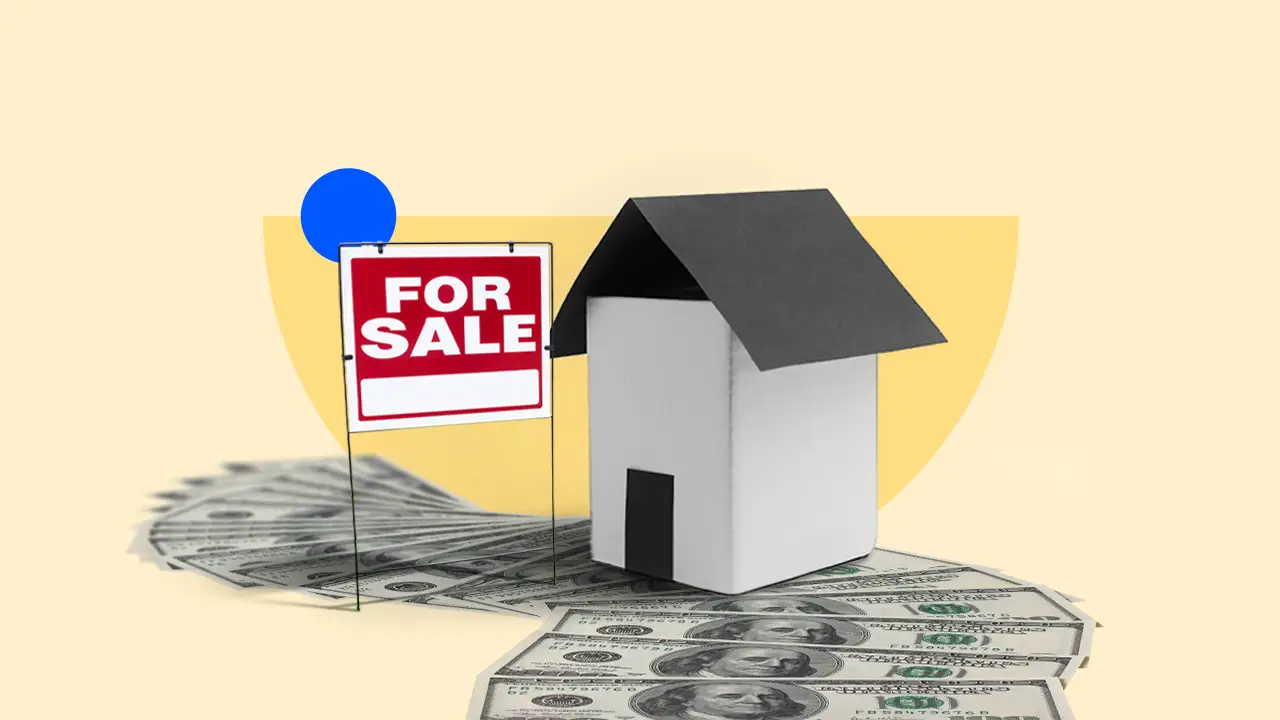
Cash home sales are holding at roughly a quarter of the market in 2026 because mortgage rates are stuck near 6.7%, home prices just hit a new record, and sellers increasingly want certainty over gambling on a buyer’s loan falling through. For sellers, cash offers have gone from a niche option to a mainstream strategy for beating a slow, expensive market.
Table of Contents
- How Big Is the Cash Sale Trend in 2026, Really?
- Why Are Mortgage Rates Still This High?
- Why Are Prices Still Setting Records If Sales Are Slowing?
- Who Is Actually Buying With Cash Right Now?
- Why Are More Sellers Choosing Cash Over Listing?
- Is a Cash Sale Right for You in Today’s Market?
- FAQ
How Big Is the Cash Sale Trend in 2026, Really?
According to the National Association of REALTORS®, all-cash transactions accounted for 25% of existing home sales as of April 2026, unchanged from a year earlier. That means a full quarter of buyers closing on a home this year are skipping the mortgage process entirely.
That number isn’t a blip. NAR’s July 2026 data shows existing home sales dipped 1.7% for the month, even while year-to-date sales remained up 2.4% compared to 2025. Cash buyers have stayed consistent through that back-and-forth, while financed buyers have been the ones pulling back and coming forward as rates move.
Why Are Mortgage Rates Still This High?
The 30-year fixed mortgage rate averaged 6.66% as of August 27, 2026, according to Freddie Mac’s Primary Mortgage Market Survey, the industry’s benchmark weekly rate tracker. Rates touched a 2026 high of 6.69% in early August before easing slightly.
For context, a 6.66% rate on a $400,000 loan runs about $700 more per month than the same loan would have cost at 5%. That gap is exactly why an all-cash buyer, or a seller who can skip financing entirely by selling to one, has such a strong advantage right now.
Why Are Prices Still Setting Records If Sales Are Slowing?
Here’s the part that surprises a lot of sellers: home prices keep climbing even as the number of sales slows down. NAR reported a median existing home price of $431,400 in July 2026, a record for that month, while total housing inventory sat at a 4.6-month supply.
Inventory is still tight enough that sellers are holding pricing power in most markets, even though buyers are stretched thinner than ever by financing costs. That combination — high prices plus high rates — is squeezing traditional financed buyers out of a growing share of deals, which is exactly the gap cash buyers are filling.
Who Is Actually Buying With Cash Right Now?
Cash buyers in 2026 generally fall into a few groups: retirees and downsizers rolling proceeds from a previous sale straight into the next home, investors picking up rental and flip properties without financing delays, and companies like Byrd and Co that buy homes directly from sellers who want speed and certainty over top-dollar negotiations.
What all three groups have in common is the ability to close without an appraisal contingency or a lender’s timeline, which matters more in 2026’s rate environment than it has in years.
Why Are More Sellers Choosing Cash Over Listing?
Selling into a market with 6.66% rates means a smaller pool of financed buyers can actually afford your home, and the ones who can are more likely to ask for repairs, credits, or price cuts after inspection. A cash sale sidesteps that entirely.
Sellers are choosing cash offers in 2026 for a few clear reasons:
- No financing contingency to fall through partway to closing.
- No appraisal gap risk if the home doesn’t appraise at the agreed price.
- Faster closings — one to two weeks instead of 30 to 45 days.
- No repairs or staging required before a buyer will make an offer.
For sellers dealing with a life change, a fixer-upper, or a home in a market where days-on-market are creeping up, that combination of speed and certainty often outweighs squeezing out the last few percentage points of sale price.
Is a Cash Sale Right for You in Today’s Market?
A cash sale tends to make the most sense if you need to close quickly, you’d rather skip repairs and showings, or you’re in a market segment where financed buyers are scarce. It makes less sense if your home is in excellent condition, priced competitively, and you have the time to wait out multiple offers on the open market.
The honest answer is that both paths are valid in 2026. The rate environment has simply made cash a much more competitive option than it was a few years ago.
Wondering What a Cash Offer Looks Like for Your Home?
Byrd and Co buys houses as-is across Maryland, Delaware, New York, Virginia, Connecticut, Massachusetts, New Jersey, Arizona, Pennsylvania, Colorado, Kentucky, and Tennessee — no repairs, no showings, and no financing contingencies to worry about.
Get Your Cash Offer → | Call (443) 251-3479
Frequently Asked Questions About Cash Home Sales in 2026
Are cash home sales actually more common in 2026 than in past years? Cash sales have held steady at around 25% of existing home transactions through 2026, according to NAR data, a larger share than the market saw for much of the low-rate years between 2020 and 2022.
Why are mortgage rates staying above 6.5% in 2026? Rates have hovered in the mid-to-high 6% range for most of 2026, based on Freddie Mac’s weekly survey, keeping monthly payments elevated even as home price growth has slowed in some regions.
Do cash buyers pay less than the asking price? Not necessarily. Cash offers reflect the property’s condition and market value, but sellers often accept a slightly lower number in exchange for speed, certainty, and avoiding repair negotiations.
Is now a good time to sell if I don’t want a long listing process? With inventory still relatively tight and cash buyers active in every price range, many sellers are finding this a reasonable time to sell quickly rather than wait out a slower financed-buyer market.
How fast can a cash sale actually close? Byrd and Co typically closes cash sales in one to two weeks, compared to the 30 to 45 days a financed sale usually takes once you factor in underwriting and appraisal.