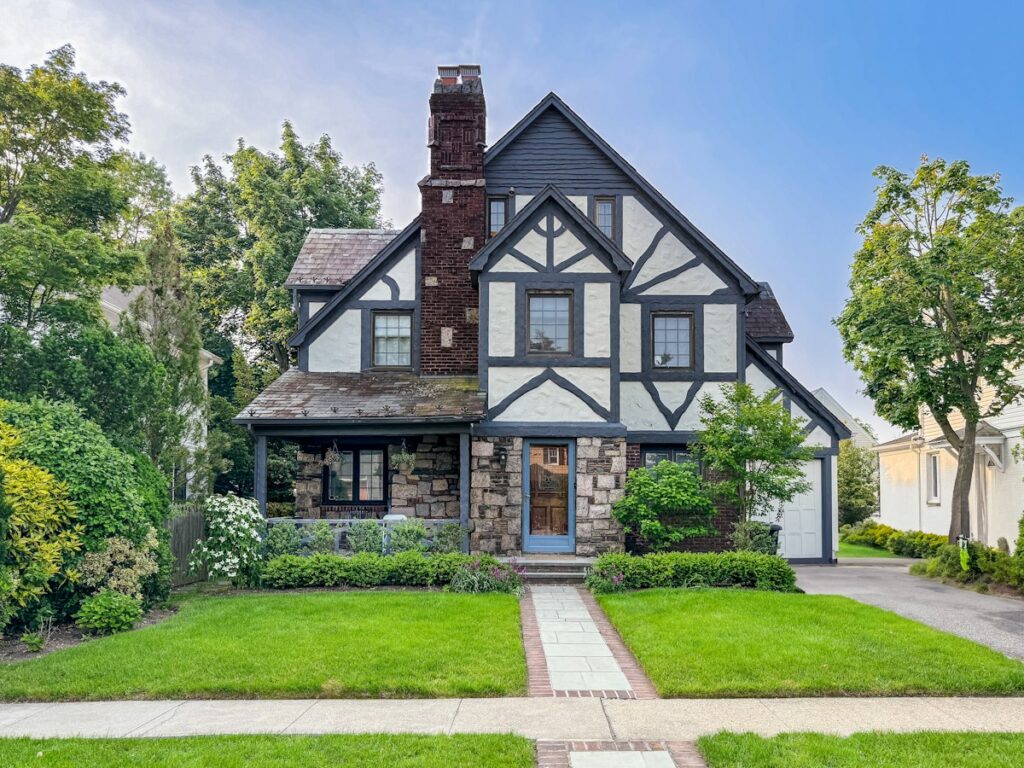


Selling a House During Divorce: A Step-by-Step Guide
Selling a house during divorce requires both spouses (or a court) to agree to the sale, an updated appraisal or valuation to set a fair price, and a plan for splitting the proceeds according to your state’s property division laws. Most couples sell either before the divorce is finalized to simplify asset division, or immediately after as part of the settlement. Byrd and Co buys marital homes as-is for cash, which lets both spouses walk away with a clean split and no shared mortgage hanging over either person.
Table of Contents
- Do Both Spouses Have to Agree to Sell the House?
- Should You Sell Before or After the Divorce Is Final?
- How Do You Split the Proceeds From Selling a House in a Divorce?
- Can One Spouse Force the Sale of the House?
- What If One Spouse Wants to Keep the House?
- How Does Selling for Cash Help During a Divorce?
- How Long Does It Take to Sell a House During a Divorce?
- FAQ
Do Both Spouses Have to Agree to Sell the House?
If the home is titled in both spouses’ names, yes — both signatures are typically required to sell or transfer the property. This is true whether you’re still married, separated, or in the middle of divorce proceedings.
If one spouse refuses to sign, the sale generally can’t move forward without a court order. This is one of the most common ways a divorce case gets delayed — one spouse wants out, the other digs in.
Once a judge issues a divorce decree or a court order authorizing the sale, that order can override a reluctant spouse’s refusal. At that point, the sale can proceed with the court’s authorization standing in for the missing signature.
Should You Sell Before or After the Divorce Is Final?
Both approaches work. The right one depends on your situation.
Selling before the divorce is final removes the house from the list of assets that need to be divided in court. Instead of arguing over who gets the house, you’re simply splitting a cash number — which is usually a faster, less contentious conversation.
Selling after the divorce is final happens when the divorce decree already outlines how and when the house will be sold. This is common when spouses can’t agree on price, timing, or listing method during the divorce itself, so the decree instructs them to sell within a set window (often 60 to 180 days) after the case closes.
A third option: nesting or delayed sale. Some couples — especially those with kids still in the home — agree to keep the house temporarily, with one spouse staying while the other moves out, then sell later once kids finish the school year or another milestone passes. This requires a written agreement covering who pays the mortgage, taxes, and upkeep in the meantime.
How Do You Split the Proceeds From Selling a House in a Divorce?
How proceeds get divided depends on your state’s property laws and what’s in your settlement agreement or divorce decree.
Community property states (including Arizona) generally split marital assets 50/50, including home equity built during the marriage.
Equitable distribution states (which includes the rest of Byrd and Co’s service area — Maryland, Delaware, New York, Virginia, Connecticut, Massachusetts, New Jersey, Colorado, Pennsylvania, Kentucky, and Tennessee) divide assets fairly, but not necessarily equally. A judge or the spouses’ agreement can factor in each person’s income, contributions to the home, and other circumstances, per Cornell Law’s Legal Information Institute.
Here’s the general order of operations at closing, regardless of state:
| Step | What Happens |
|---|---|
| 1 | Sale proceeds pay off the remaining mortgage balance |
| 2 | Closing costs and any agreed-upon repairs or fees are deducted |
| 3 | Remaining equity is split according to the divorce decree or settlement agreement |
| 4 | Each spouse receives their share directly at closing or shortly after |
If one spouse put separate (non-marital) funds toward the down payment or major renovations, that can sometimes entitle them to reimbursement before the remaining equity is split. This is a legal question specific to your state and case — talk to your divorce attorney before assuming how the math will work.
Can One Spouse Force the Sale of the House?
Yes, in most cases. If the couple can’t agree and one spouse wants to sell while the other refuses, the spouse who wants to sell can ask the court to order a sale as part of the divorce proceedings.
Judges generally have the authority to order the sale of marital property when spouses can’t agree on how to divide it, particularly if neither spouse can afford to buy out the other or continue paying the mortgage alone.
Once a court order is in place, the sale can move forward with the court’s signature standing in for the uncooperative spouse’s consent — the same principle used in a partition action for jointly-owned property between non-married co-owners.
What If One Spouse Wants to Keep the House?
If one spouse wants to stay in the home, they typically need to buy out the other spouse’s share of the equity — either with cash, or by trading other marital assets of equal value (retirement accounts, vehicles, other property).
The spouse keeping the house will also usually need to refinance the mortgage into their name alone. This matters because even after a divorce decree says one spouse “gets” the house, both names often remain on the original mortgage until it’s refinanced — meaning the departing spouse is still legally on the hook for payments until that refinance happens.
Getting an independent valuation matters here, since it sets the buyout number both spouses are working from. A cash offer from a company like Byrd and Co can serve as one data point alongside a formal appraisal, especially useful if the couple disagrees on what the house is actually worth.
How Does Selling for Cash Help During a Divorce?
Divorce is stressful enough without a home sale dragging on for months. A cash sale removes several of the friction points that make traditional listings hard on divorcing couples:
- No coordinating showings between two households. You’re not scheduling walkthroughs around two separate calendars, custody schedules, or who’s currently living in the house.
- No repair negotiations to fight about. Byrd and Co buys the home exactly as it sits — no repainting, no repairs, no arguing over whose responsibility a broken water heater is.
- One walkthrough, one offer, one closing date. Fewer decision points means fewer opportunities for disagreement.
- A defined number, fast. Both spouses know exactly what they’re walking away with, which makes dividing the settlement far more straightforward than waiting on an uncertain buyer.
- No financing risk. A financed buyer’s loan can fall through weeks into the process, reopening old wounds. A cash sale removes that risk entirely.
Read more about how a cash offer works if you’re weighing it against a traditional listing.
How Long Does It Take to Sell a House During a Divorce?
| Sale Method | Typical Timeline |
|---|---|
| Traditional listing with an agent | 60–120+ days |
| FSBO (For Sale By Owner) | 60–180+ days |
| Cash sale to Byrd and Co | 7–14 days |
Add court scheduling on top of a traditional sale, and it’s common for the home to remain unsold for six months or longer after a divorce is filed — with both spouses covering the mortgage, taxes, and insurance the entire time. A fast cash sale can shorten that carrying period dramatically, which matters when both spouses need to establish separate households as quickly as possible.
Divorcing and Need to Sell Fast?
Byrd and Co buys homes involved in divorce settlements as-is, across 12 states — no repairs, no showings, no waiting for financing to fall through. We make a fair cash offer within 24 hours and work with both spouses (and your attorneys, if needed) to close on a timeline that works for everyone.
Get Your Cash Offer → | Call (443) 251-3479
Frequently Asked Questions About Selling a House During Divorce
Q: Do we have to sell the house if we’re getting divorced? No. Divorcing couples can agree to have one spouse keep the house through a buyout, continue owning it together as co-owners (common when kids are involved), or sell and split the proceeds. Selling is the most common path when neither spouse can afford to keep the home alone or when both want a clean financial break.
Q: Who pays the mortgage on the house during a divorce? Until the house is sold or refinanced, both spouses remain legally responsible for the mortgage if both names are on the loan — regardless of who is living there. Many divorce decrees specify who covers the payment during this period, but that’s separate from who the lender can pursue if payments are missed.
Q: Can I sell the house without my spouse’s permission? Not if both names are on the title — you’ll need their signature or a court order authorizing the sale. If your spouse is unreachable, uncooperative, or refusing to sell for no legitimate reason, your attorney can petition the court to order the sale.
Q: How is home equity split if only one spouse’s name is on the deed? This depends on your state. In community property and equitable distribution states, a home purchased during the marriage is often still considered marital property for division purposes, even if only one spouse’s name is on the title — especially if marital funds were used for the mortgage or improvements. Talk to a divorce attorney about how this applies to your specific case.
Q: Is selling to a cash buyer during divorce a bad financial move? Not necessarily. While a traditional listing might net a slightly higher sale price in a strong market, a cash sale eliminates months of carrying costs, agent commissions (5–6%), repair costs, and the emotional strain of a drawn-out sale process. For many divorcing couples, certainty and speed are worth more than squeezing out the last few percentage points of sale price.